



Sleep is essential for good health, yet many people struggle to breathe properly while sleeping. One of the most common reasons is sleep apnea, a condition where breathing repeatedly stops and starts during the night.
If left untreated, it can affect daily life, causing fatigue, poor concentration, and even serious health issues. Fortunately, modern treatments like CPAP therapy have made managing sleep apnea much easier.
With expert support from Sleep Therapeutics, patients can understand their condition and find the right solution. This guide explains What Is CPAP Therapy? A Complete Beginner’s Guide to Treating Sleep Apnea in a simple and clear way.
Sleep apnea occurs when the airway becomes blocked or narrowed during sleep. This leads to pauses in breathing, often followed by gasping or choking sounds.
Common signs include:
To confirm the condition, doctors usually recommend a Sleep Study. This test helps monitor breathing patterns and detect any abnormalities.
CPAP stands for Continuous Positive Airway Pressure. It is one of the most effective treatments for sleep apnea.
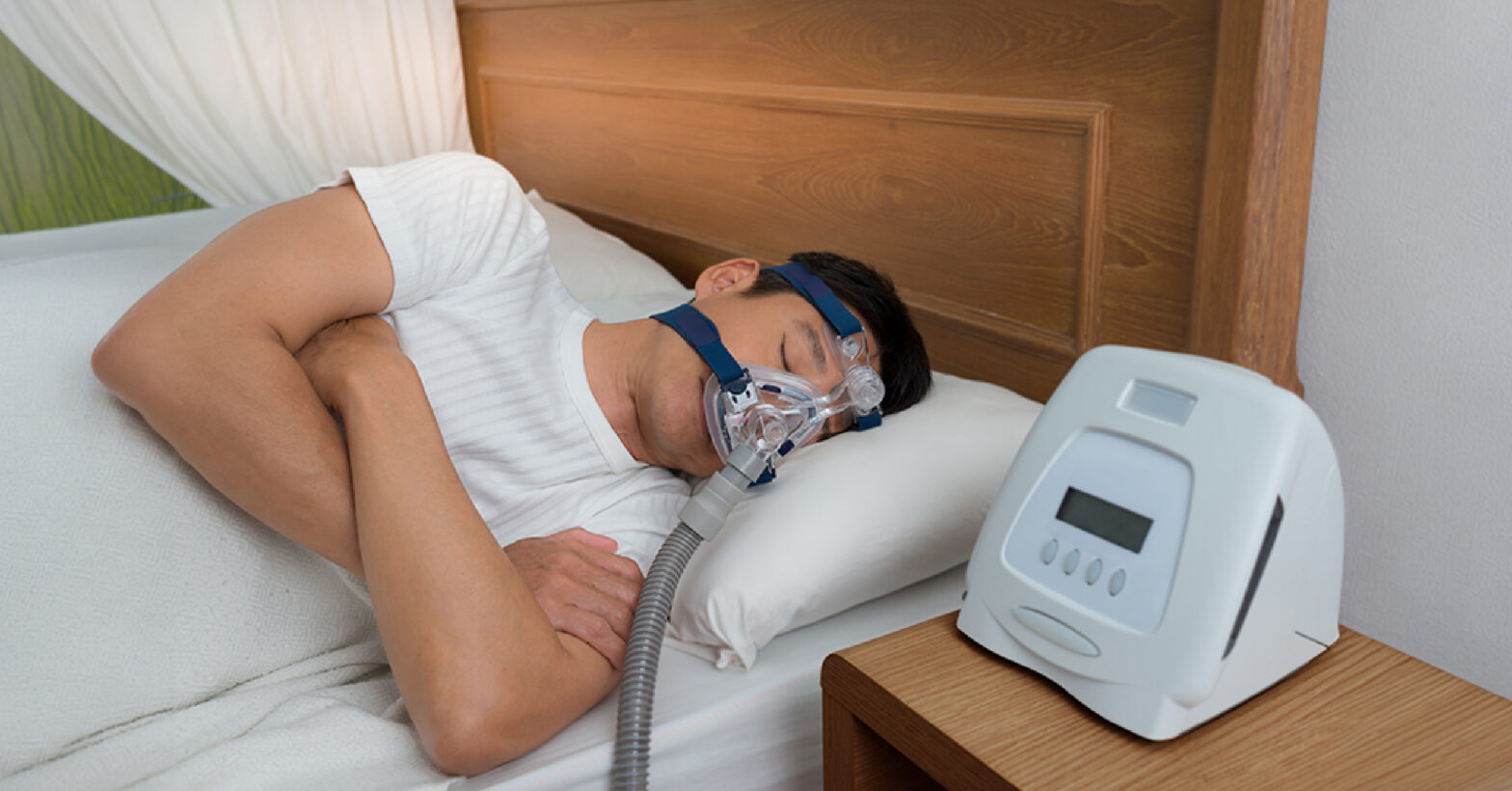
A CPAP machine delivers a steady flow of air through a mask worn over the nose or mouth. This airflow keeps the airway open, allowing the patient to breathe normally throughout the night.
Unlike medications, CPAP therapy directly addresses the root cause of the problem. It is safe, non-invasive, and widely recommended by sleep specialists.
Before starting therapy, doctors often rely on tests like Polysomnography to understand the severity of the condition.
Also Read : Sleep Apnea Treatment Options in Hyderabad: CPAP, BiPAP & Advanced Therapies
The CPAP machine gently pushes air into the airway, preventing it from collapsing during sleep. This ensures continuous breathing and reduces interruptions.
Key benefits include:
Patients may take a few days to adjust to the mask, but most experience noticeable improvement quickly.
To ensure accurate diagnosis, a proper Sleep Study Test Procedure is followed before starting treatment. This helps doctors customize settings based on individual needs.
A Sleep Study plays a crucial role in diagnosing sleep apnea. It provides detailed information about how the body behaves during sleep.
During the test, multiple parameters are monitored, including:
The second mention of Polysomnography highlights its importance as a reliable diagnostic method. It ensures that the treatment plan is accurate and effective.
Patients are also guided about the Sleep Study Cost, helping them understand the financial aspect before proceeding.
Many patients are concerned about the cost of diagnosis and treatment. It is important to have clear information before making decisions.
The Sleep Study Cost can vary depending on the type of test and facility. Clinics like Sleep Therapeutics provide transparent pricing and guidance.
Similarly, the Sleep Study Test Cost depends on factors such as the complexity of the test and the level of monitoring required.
Patients are encouraged to discuss these details with specialists to choose the best option for their needs.
The Sleep Study Test Procedure is simple and comfortable. Patients are asked to stay overnight at the clinic while sensors are placed on the body.
These sensors record:
The process is painless and designed to allow natural sleep. The third mention of Polysomnography shows how detailed the test is in identifying sleep disorders.
After the test, doctors analyse the results and recommend suitable treatment, including CPAP therapy if required.
CPAP therapy offers long-term benefits when used consistently. These include:
Patients often feel more energetic and focused after starting treatment.
Understanding both the Sleep Study Test Cost and Sleep Study Cost helps patients plan their treatment journey with confidence.
It is normal to take some time to get used to CPAP therapy. Patients may initially feel uncomfortable wearing the mask.
Simple tips to adjust include:
With time, most patients find the therapy easy and beneficial.
Sleep apnea is a serious condition, but it can be managed effectively with the right treatment. CPAP therapy offers a safe and reliable solution for improving sleep and overall health.
Understanding What Is CPAP Therapy? A Complete Beginner’s Guide to Treating Sleep Apnea helps patients feel more confident about seeking help and starting treatment.
With expert care from Sleep Therapeutics and support for better sleep is within reach for everyone.
Taking the first step today can lead to a healthier and more energetic life.
CPAP therapy is used to treat sleep apnea by keeping the airway open during sleep.
Yes, a sleep study helps diagnose the condition and determine the right treatment plan.
Polysomnography is a detailed sleep test that monitors various body functions during sleep.
Yes, CPAP therapy is safe, non-invasive, and widely recommended for managing sleep apnea.
The sleep study test cost varies depending on the type of test, but clinics provide guidance based on patient needs and budget.