



Sleep problems are more common than many people realise. From snoring to constant tiredness, these issues often go unnoticed or untreated. The real challenge is understanding what happens in the body while we sleep.
This is where modern testing methods help. Clinics like Sleep Therapeutics use advanced tools to study sleep patterns in detail. One of the most effective tests is a Sleep Study, which helps doctors understand the root cause of sleep disorders.
To truly understand sleep health, it is important to explore Polysomnography Explained: What Each Sensor Measures While You Sleep.
Polysomnography is a detailed sleep test that records different body functions during sleep. It is usually done overnight in a sleep clinic under expert supervision.
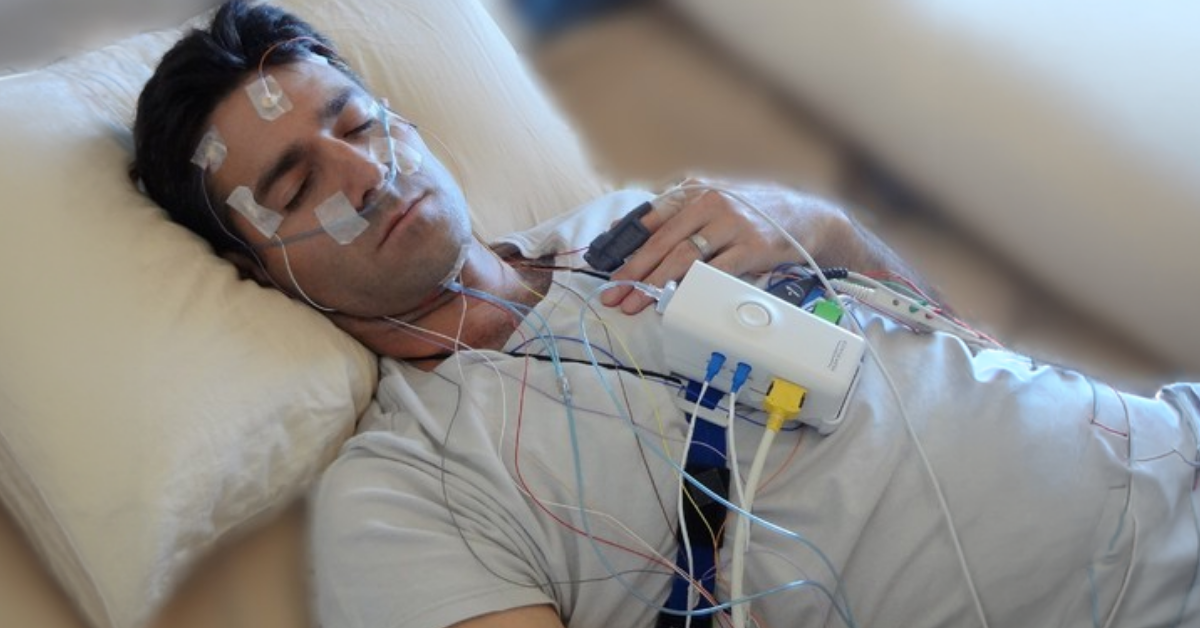
During Polysomnography, multiple sensors are placed on the body to track activity. These sensors collect important data that cannot be observed during a regular check-up.
Before recommending this test, doctors often begin with a sleep consult to understand symptoms and medical history. This helps decide whether a sleep test is necessary.
Understanding how Polysomnography works is the first step in learning about Polysomnography Explained: What Each Sensor Measures While You Sleep.
Also Read : Sleep Therapy for Anxiety: Techniques to Calm Your Mind at Night
One of the key parts of a sleep test is monitoring brain activity. Sensors placed on the scalp record electrical signals from the brain.
These readings help identify different sleep stages such as light sleep, deep sleep, and REM sleep. They also show how often a person wakes up during the night.
A Sleep Study uses this information to understand whether the sleep cycle is normal or disrupted. This plays a major role in diagnosing sleep disorders.
Sensors placed near the eyes track eye movements during sleep. These movements are especially important during REM sleep, when dreaming occurs.
Tracking eye activity helps doctors understand sleep patterns and identify abnormalities. This is another essential part of Polysomnography, giving a clearer picture of how the body behaves at night.
Muscle activity is monitored using sensors placed on the chin or legs. These sensors detect movements during sleep.
Unusual muscle activity may indicate sleep disorders such as restless leg syndrome or interruptions in sleep cycles. This data adds another layer of detail to a Sleep Study.
By combining this information with other readings, doctors can make accurate diagnoses.
Heart activity is also recorded during sleep. Sensors track heart rate and rhythm throughout the night.
Changes in heart rate can be linked to breathing issues or disturbances during sleep. Monitoring this helps doctors understand how sleep affects overall health.
This part of Polysomnography is especially important for patients with suspected sleep apnea or cardiovascular concerns.
Breathing patterns are one of the most important aspects of a sleep test. Sensors are used to monitor airflow, chest movement, and oxygen levels in the blood.
If breathing pauses or becomes irregular, it may indicate sleep apnea. These changes are clearly recorded during a Sleep Study, allowing doctors to assess the severity of the condition.
If such symptoms are observed, a follow-up sleep consult helps in planning the right treatment.
Each sensor used during the test provides valuable information. When combined, they give a complete picture of how the body functions during sleep.
The second reference to Polysomnography highlights how detailed and reliable this test is. It allows specialists to identify even small issues that may otherwise go unnoticed.
This detailed analysis is central to Polysomnography Explained: What Each Sensor Measures While You Sleep, helping patients understand their condition clearly.
A sleep study provides clear and reliable insights into sleep problems. Some key benefits include:
The third mention of Sleep Study emphasises its importance as a trusted diagnostic tool. It helps patients receive the right care based on their condition.
Clinics like Sleep Therapeutics use these insights to guide patients towards better sleep and improved health.
Sleep is essential for a healthy life, but many people struggle without knowing why. Advanced testing methods like polysomnography help uncover hidden problems and provide clear answers.
Polysomnography is a detailed sleep test that records brain activity, breathing, heart rate, and body movements during sleep.
Yes, a sleep study is completely safe and non-invasive. Sensors are used only to monitor body functions.
A sleep consult includes discussing symptoms, sleep habits, and medical history to decide the next steps.
A sleep study usually takes one full night in a sleep clinic.
Yes, children can undergo a sleep study if they show signs of sleep disorders or breathing problems during sleep.