



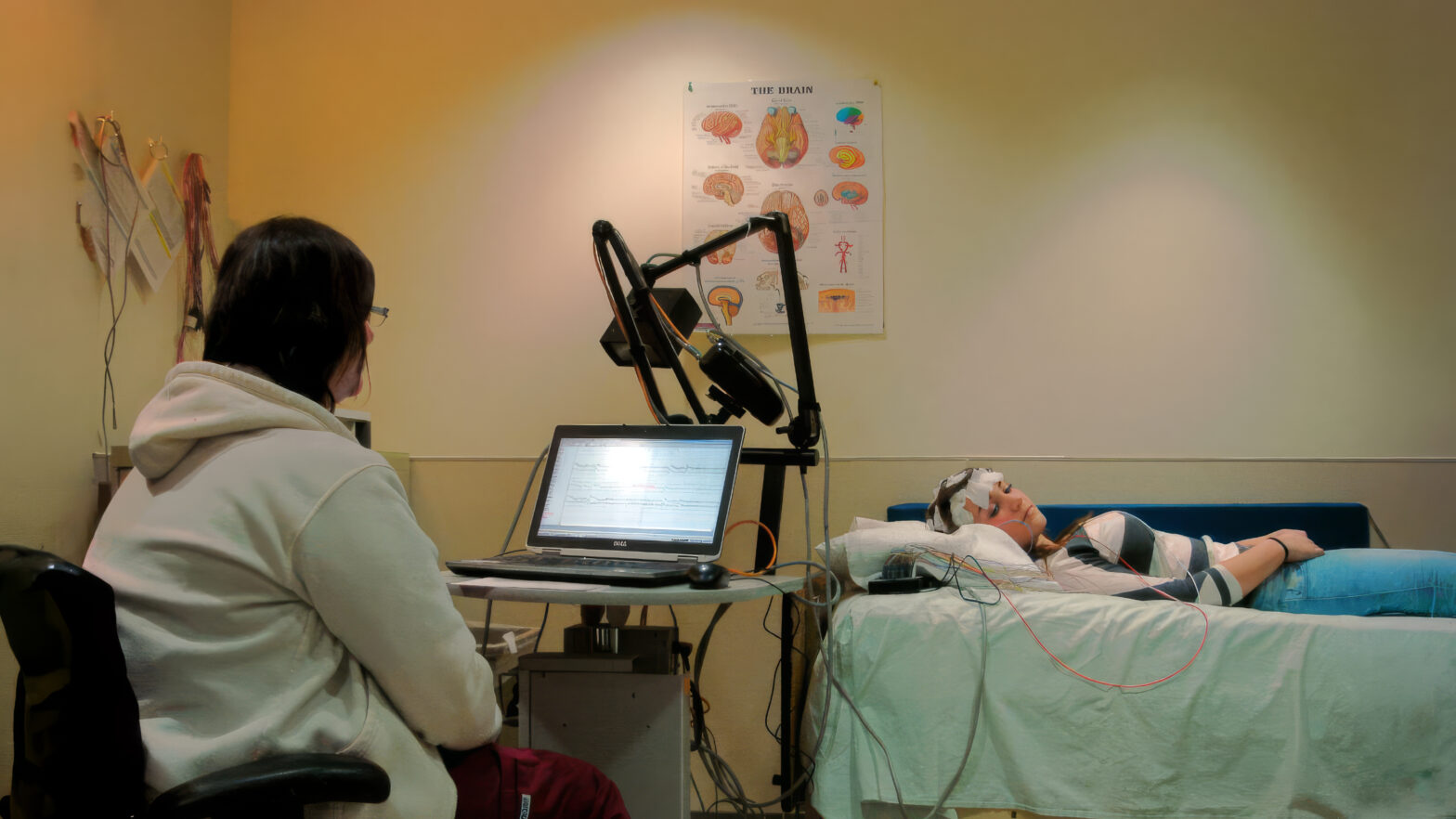
The idea of spending a night in a sleep lab can sound a little strange at first. Sleeping in an unfamiliar room, having sensors attached and knowing that someone is monitoring the night is not exactly how most people imagine going to bed. Still, the process is usually much simpler than it sounds.
Modern sleep labs are designed to make the night as comfortable as possible while recording what happens during sleep. The goal is not to judge how well someone sleeps. It is to understand what may be going wrong.
An overnight sleep study is usually suggested when symptoms cannot be understood through a normal consultation alone. Loud snoring, repeated waking, daytime sleepiness, unusual movements or breathing problems during sleep can all be reasons for closer observation.
One common concern is sleep apnea, where breathing repeatedly stops and starts during sleep. A person may not even know it is happening. The night in a sleep lab can provide details that are difficult to notice at home.
The evening usually starts with a conversation. The sleep team may ask about sleeping habits, snoring, medications, daytime tiredness and anything unusual noticed during the night.
Then comes the part most people are curious about: the sensors. Small sensors may be placed on areas such as the head, chest and legs, while other equipment can monitor breathing and oxygen levels.
It may look like a lot of equipment at first, but the setup is generally designed to allow normal movement and sleep.
This is where sleep labs become useful. The equipment can record several things at the same time, giving the sleep team a picture of what happens across different stages of the night.
Depending on the test, monitoring may include brain activity, breathing, oxygen levels, heart rate, body movements and eye movements. These recordings can help show whether someone is waking repeatedly, struggling to breathe or experiencing unusual movements.
A sleep apnea evaluation, for example, can reveal breathing interruptions that may otherwise go unnoticed.
That is probably the biggest worry. It is natural to wonder whether the sensors, wires and unfamiliar room will make sleep impossible.
The first night may not feel exactly like home, but people usually do manage to sleep. The equipment is not there to create a perfect night. It is there to capture enough information to understand the sleep pattern.
Even if sleep feels lighter than usual, the recordings can still provide useful clues. The team knows that nobody sleeps exactly as they would in their own bedroom.
Once the night is over, the sensors are removed and the person can usually leave after the required monitoring is complete. The recordings are then reviewed by the sleep team.
The results can help explain symptoms such as chronic tiredness, repeated awakenings, loud snoring or daytime sleepiness. In some cases, further testing may be needed. In others, the findings may point towards a clear treatment approach.
The sleep study cost can depend on the type of study, the facility and what monitoring is involved. It is worth asking what is included rather than looking at the price alone.
A sleep study is not the treatment itself. It is a way of finding out what may be happening during the night.
If a sleep disorder is identified, the next step depends on the findings. For someone with sleep apnea, treatment may focus on improving breathing during sleep. For another person, the issue may be insomnia, restless legs or an irregular sleep pattern.
This is where Sleep Deprivation Treatment may become relevant when ongoing poor sleep has already started affecting daytime life. Treating the actual reason for sleep loss is usually more useful than simply trying to sleep longer.
We understand that an overnight study can feel unfamiliar. We aim to make the process easier to understand, from the initial consultation through diagnosis and the next steps.
At Sleep Therapeutics, the sleep lab is where a night of sleep can provide information that is difficult to gather during a daytime consultation. Our state-of-the-art sleep labs support detailed sleep diagnostics, helping the care team understand patterns that may be connected to snoring, repeated awakenings, unusual movements or daytime sleepiness. The findings can then become part of a larger sleep-care plan.
Not every sleep problem needs an overnight lab test. A consultation with a sleep specialist can help decide whether testing is actually needed and which type makes sense.
For someone looking for a sleep thereapy center, it is useful to check whether the facility offers proper sleep diagnostics along with treatment and follow-up care. A place with experienced staff and suitable sleep labs can make the testing process feel much less daunting.
The sleep study cost is also worth discussing beforehand, especially if a particular type of monitoring has been recommended.
Also Read : What Is CPAP Therapy? A Complete Beginner’s Guide to Treating Sleep Apnea
An overnight study may look like a room filled with wires and equipment, but underneath all of that, it is simply a way of understanding something that cannot easily be seen during the day.
For someone dealing with unexplained tiredness, repeated awakenings, snoring or suspected sleep apnea, the information gathered during one night can help explain what has been happening for much longer.
Sleep Deprivation Treatment becomes more meaningful when there is a clear idea of what is causing the poor sleep. Sometimes the answer is simpler than expected. Sometimes it needs more attention. Either way, knowing what happens inside sleep labs can make the idea of testing feel a little less unfamiliar.
The sensors can feel unusual at first, but they are designed to allow normal movement and sleep.
Most overnight studies involve arriving in the evening and leaving the following morning.
Yes. An overnight study can monitor breathing and other signals that help doctors evaluate sleep apnea.